
The moment we should have seen coming
A useful planning exercise is to review your own annual giving mix by channel. Compare online, text, recurring, check, and cash totals, then ask whether your Sunday offering moment still reflects how your congregation gives.
A shift in giving mix can happen gradually. Comparing those channels over several years helps a church see whether its Sunday offering moment still reflects how people give today.
This is the reality most churches are living in, whether they've examined it or not. The giving landscape has changed fundamentally, and the churches that respond intentionally will be more financially stable than the ones that don't.
Cash isn't dead, but it's no longer king
The numbers tell a clear story. Before the pandemic, most church giving was still cash and check. By 2024, that had flipped. The majority of church donations now happen digitally -- through websites, apps, and text-to-give platforms.
This isn't just a generational thing. Yes, younger members have never written a check. But older congregants have also shifted. They pay bills online, order groceries on their phone, and transfer money to their grandkids through Venmo. Digital transactions aren't novel anymore. They're normal.
What this means practically: the offering plate isn't going away, and it shouldn't. Some people will always prefer to give physically. But building your giving strategy around the plate alone is like building your communication strategy around the printed bulletin. It's one channel among several, and it's no longer the primary one.
Text-to-give changed the math
Text-to-give adoption grew dramatically during the pandemic and hasn't slowed down. The reason is simple: people already have their phones in their hands during service. A text message is faster than opening a browser, navigating to a website, logging in, and entering payment details.
The first-time setup takes about 60 seconds -- the giver texts a keyword, clicks a link, and enters their payment method once. After that, giving is a single text message. No login. No password. No app to download.
Making text-to-give work
The churches that see real adoption from text-to-give share a common approach: they connect it to specific moments. Instead of a generic 'Text GIVE to 55555' on a rotation slide, they tie the giving moment to the sermon's application point.
For an illustrative example, a pastor discussing a community outreach initiative might connect the story to a configured giving keyword. That context can make the invitation feel more relevant than a passive announcement; test the approach against your own records.
Text-to-give setup checklist:
- Choose a keyword that's simple and memorable (GIVE, TITHE, or your church name)
- Test the complete flow yourself before announcing it publicly
- Display the number on screen during the sermon, not just during announcements
- Have a greeter or usher available to help anyone who gets stuck on the first attempt
- Send a personal thank-you text after the first gift -- not automated, genuinely personal
Recurring giving is your stability engine
Every church finance leader knows the anxiety of a low-attendance Sunday. Holiday weekends, summer vacations, and bad weather can affect weekly giving, especially for churches managing a tight operating margin.
Recurring giving may reduce some uncertainty for a church. When a meaningful share of giving comes through automated transactions, use your own history to assess whether that supports budgeting, capital planning, or staffing decisions.
Recurring giving can make planning easier for some churches, but there is no universal threshold at which volatility drops. Review your own giving history and communicate clearly about recurring options.
How to grow recurring giving
- Make recurring the default option on your giving page -- with a clear way to choose one-time for those who prefer it
- After someone gives for the first time, send a personal thank-you within 24 hours
- One week after the first gift, send a gentle invitation to set up recurring -- explain what it makes possible for the church
- Share impact stories monthly so recurring givers see where their money goes -- not just budget reports, but real ministry outcomes
- Celebrate recurring givers privately -- a quarterly note from the lead pastor acknowledging their consistency
There's a discipleship dimension here too. People who set up recurring giving tend to be more engaged overall. They volunteer more, attend more consistently, and feel more ownership in the church's mission. Recurring giving isn't just a financial mechanism -- it's a commitment signal.
Mobile wallets remove the last barrier
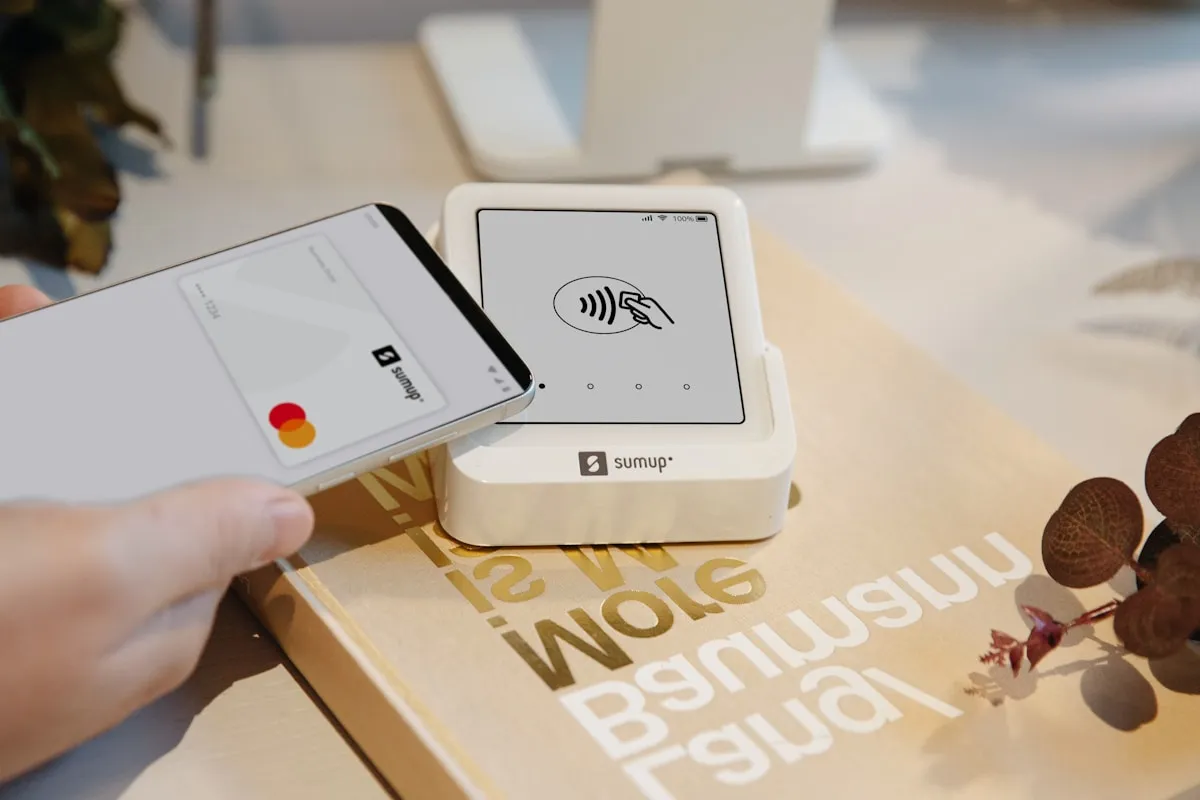
Apple Pay and Google Pay have become the default payment method for a growing segment of the population. For younger demographics especially, tapping their phone to pay is more natural than pulling out a credit card. No card number to enter. No password to remember. Just a fingerprint or face scan and the transaction is complete.
When churches add mobile wallet support to their giving page, they remove the last meaningful friction point. The entire giving experience -- from intent to completion -- takes under five seconds. Compare that to the 45-60 seconds of manual card entry, and the difference in completion rates is significant.
The technology side is straightforward. Most modern payment processors (Stripe, for example) support Apple Pay and Google Pay natively. It's a configuration setting, not a custom integration. If your giving page doesn't support mobile wallets yet, the technical barrier to adding them is lower than you might think.
Giving transparency builds trust
One trend that doesn't get enough attention: givers increasingly expect transparency about where their money goes. This isn't suspicion -- it's the same expectation they have of every other organization they support. Nonprofits publish impact reports. GoFundMe campaigns show progress bars. People want to know their generosity is making a difference.
A church can communicate giving impact without putting detailed financial statements in every newsletter. Illustrative examples might describe how giving supports a food pantry or helps families attend camp; label examples clearly and avoid presenting them as benchmarks or promised outcomes.
Simple giving transparency practices:
- Share one specific impact story per month in your regular communication
- Give a brief quarterly update on giving trends from the stage -- not with anxiety, but with gratitude
- Send year-end giving statements with a personal note highlighting what the church accomplished together
- When launching a capital campaign or special project, set a clear goal and report progress publicly
Transparency doesn't mean opening your books to everyone. It means consistently connecting giving to outcomes. People give more generously when they can see the fruit of their generosity.
Your next move
You don't need to overhaul your entire giving infrastructure at once. Start with the change that addresses your biggest gap. If you don't have text-to-give, consider setting it up. If you do, check whether mobile wallets are enabled on your giving page. If recurring giving needs attention, build a short sequence to invite one-time givers into monthly giving and review the results.
The goal isn't to make giving complicated. It's to make generosity as easy as possible while keeping it personal and connected to your church's mission. Technology handles the transaction. Your team handles the relationship. When both work together, giving becomes less of a budget conversation and more of a worship experience.